
What is Teeth Bonding?
Teeth bonding, also known as dental bonding, is a cosmetic dental procedure that uses a tooth-colored resin to enhance the appearance of a tooth. A tooth-colored resin is applied to the tooth and shaped to repair chips, close gaps, or fix discoloration, then hardened and polished for a natural-looking finish that blends seamlessly with your smile.
If you’re considering teeth bonding to fix small issues or improve your smile, learn how the procedure works, what to expect during treatment, and the benefits it can offer.
How Does Teeth Bonding Work?
Most teeth bonding procedures take just 30 to 60 minutes per tooth and can typically be completed in a single visit. Here's what you can expect during a typical teeth bonding appointment:
Color Matching
Dr. Marzban will choose a tooth-colored resin that matches your natural teeth for a flawless smile.
Tooth Preparation
The surface of the tooth is gently roughened and coated with a special gel to help the resin bond securely.
Applying the Resin
A tooth-colored composite resin is placed on the tooth and shaped to fix issues like chips, cracks, gaps, discoloration, or other cosmetic imperfections.
Drying & Hardening the Resin
A special curing light is used to harden the resin, bonding it securely to the tooth.
Shaping the Tooth
Once the resin has hardened, Dr. Marzban will make any adjustments needed to ensure the tooth looks natural and feels comfortable.
Polishing the Tooth
The bonded tooth is polished to match the shine and texture of your surrounding teeth so your tooth looks smooth and natural.
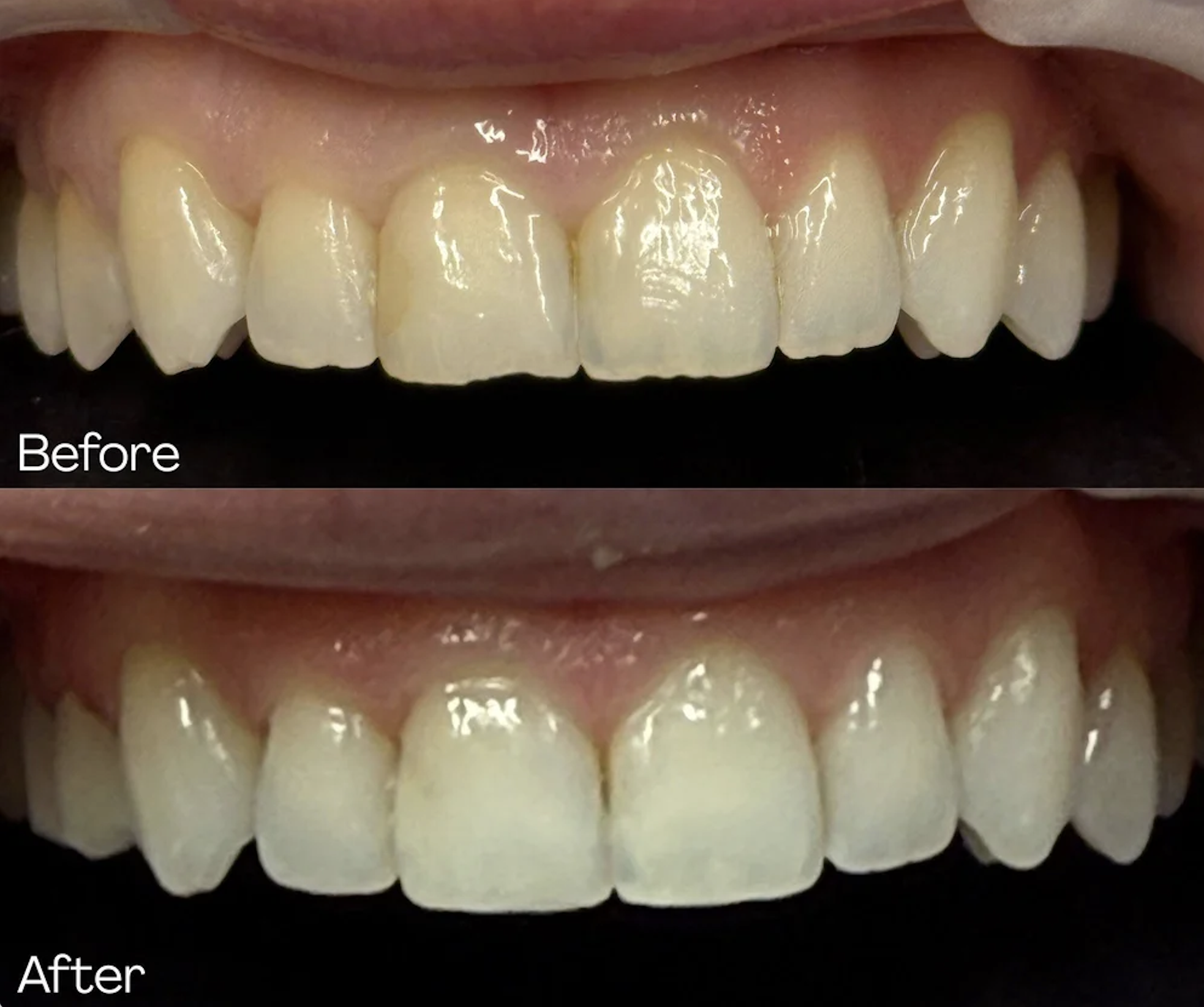
Common Issues Cosmetic Teeth Bond Fixes?
Bonding is a popular choice for addressing minor cosmetic issues because it’s quick, effective, and customizable. You may benefit from teeth bonding if you want to fix:
Chipped or cracked teeth
Discoloration from stains
Small gaps between teeth
Uneven or short teeth
Worn tooth edges
Dental Bonding Aftercare
There isn’t any recovery time after getting tooth bonding. You can eat, drink, and return to your normal activities right away. Here are tips to keep your teeth and smile looking great for years to come.
Brush twice a day
Floss your teeth once a day
Avoid biting hard items like ice, pens, or fingernails
Try to limit drinking coffee, tea, and red wine, since they may discolor the resin over time
Come in for regular dental checkups
If you grind your teeth, discuss treatment to address this with Dr. Marzban
How Long Does Tooth Bonding Last?
On average, tooth bonding lasts between three and 10 years. How long bonding lasts depends largely on how well you care for your oral health and avoiding habits that can damage the bonded tooth. As the bonding material wears over the years, it may need occasional touch-ups, repairs, or replacement to maintain its appearance and function.
The Importance of Regular Dental Care
Regular dental checkups can help extend the life of your bonding by allowing your dentist to make any necessary touch-ups to help it last longer, but are also important to maintain your overall oral health. Your dentist can spot early signs of tooth decay, gum disease, or damage to the bonded teeth and address them before they become more serious.
Tooth Bonding in Burke, Fairfax, Fairfax Station & Northern Virginia
If chips, gaps, discoloration, or other minor imperfections are keeping you from feeling confident about your smile, dental bonding can address these concerns. Dr. Marzban personalizes every treatment so that you have natural-looking results. Whether you want to improve a single tooth or multiple teeth, we'll create a treatment plan customized to your goals. You can schedule an appointment by filling out our online form, or calling our office at 703-323-8200.
FAQs
-
Dental bonding is a minimally invasive cosmetic procedure that involves little to no removal of natural teeth.
-
No, dental bonding is usually painless. Sedation can be used to reduce any discomfort.
-
The composite resin is color-matched to your natural teeth, so the bonding blends seamlessly for natural-looking results.
-
Yes, bonding teeth can stain over time, especially from coffee, tea, wine, and tobacco use.
