

Open Up:A TMJ Discussion Podcast
Cosmetic and Neuromuscular Dentistry in Burke, VA
Join Dr. Pamela Marzban and Dr. Lee on their engaging podcast, where science meets artistry in the pursuit of better oral health.
Each episode explores the evolving world of cosmetic, functional, and neuromuscular dentistry, featuring candid discussions on cutting-edge research, real-world clinical insights, and the human side of patient care. Listeners will gain practical takeaways, from improving airway health and TMJ function to mastering patient communication and preventive strategies, all shared through the lens of two clinicians deeply passionate about their craft. Whether you’re a dental student, seasoned practitioner, or simply curious about the connection between oral health and overall wellness, this podcast delivers a refreshing blend of education, expertise, and inspiration.
Tune in and elevate your understanding of oral health, one episode at a time.
-

Episode 8: Different Dental Appliances
Unveiling the World of Dental Appliances
The video opens with a reflection on the speaker’s dental school education, setting the stage for a comprehensive exploration of various dental appliances. It emphasizes their effectiveness, creation processes, and associated costs, particularly focusing on night guards—an essential tool in managing bruxism (teeth grinding) and related sleep disorders.
Beyond Night Guards: Exploring Alternative Appliances
The discussion expands to alternative dental appliances tailored for specific therapeutic purposes. Orthotics, neuromuscular orthotics, midpoint appliances, NTIs (Nociceptive Trigeminal Inhibition) devices, and Tanner appliances are dissected for their roles in addressing bruxism and sleep breathing disorders. Each appliance’s unique mechanism and application in restoring proper jaw alignment and function are meticulously examined.
Integrating Technological Advances
Advancements in digital dentistry, such as digital scanners and 3D printing, are highlighted as revolutionary tools in customizing dental appliances with precision and efficiency. This technological leap not only streamlines the creation process but also enhances treatment outcomes by ensuring a perfect fit tailored to each patient’s unique dental structure.
Evolution in Treatment Approaches
The episode pays homage to pioneers like Pete Dawson for their contributions to sleep dentistry and airway management, marking a paradigm shift from traditional methods to modern mandibular advancement devices. The importance of conducting sleep studies to evaluate teeth grinders and address maxilla deficiencies early in children to positively impact their growth is underscored.
Conservative Care and Holistic Treatment
A central theme throughout the discussion is the preference for conservative approaches in managing TMD, such as orthotics, before considering surgical interventions. The video advocates for natural healing through jaw alignment and emphasizes the interconnectedness of physical and psychological well-being in TMD treatment outcomes.
Advancements in Surgical Interventions
While highlighting advancements in mandibular surgery for conditions like sleep apnea, the video acknowledges the pivotal role played by organizations like the American Academy of Oral Facial Pain in advancing awareness and funding for scientific studies on TMJ disorders. These efforts aim to broaden treatment options and improve patient care standards globally.
Looking Ahead: A Holistic Approach to Patient Care
In conclusion, Different Dental Appliances (Ep 8) of Open UP: A TMJ Discussion serves as a testament to ongoing advancements in dental technology and treatment methodologies. Future episodes promise to explore additional therapies like myofunctional therapy and frenectomies, aiming for a holistic approach to patient care that integrates physical, psychological, and technological elements.
As we continue to unravel the complexities of TMJ disorders and refine treatment strategies, let us remain steadfast in our commitment to providing comprehensive, personalized care that enhances the quality of life for individuals affected by TMD. Through collaboration, education, and innovation, we can pave the way towards a brighter future in dental health and well-being.
-

Episode 7: Trigeminal Neuralgia
Kelly’s Journey with Trigeminal Neuralgia
The video begins by recounting Kelly’s journey, a poignant narrative of resilience and perseverance in the face of severe facial pain. Having undergone surgery that initially offered relief, Kelly’s symptoms eventually returned, accompanied by chronic migraines and persistent jaw pain. Her experience underscores the harsh reality of living with trigeminal neuralgia, a condition characterized by sudden, electric shock-like sensations in the face.
Orthotic Appliances: A Beacon of Hope?
Dr. Marzban treated Kelly with orthotic appliances. These devices proved effective in alleviating her symptoms, providing a glimpse of hope amidst the turmoil of her condition. However, concerns about the long-term use of such appliances linger, prompting deeper exploration into sustainable treatment options.
Complexities in Treatment Approaches
The discussion delves into the intricate landscape of treating overlapping conditions like TMJ disorders (TMD), trigeminal neuralgia, migraines, and cluster headaches. It emphasizes the paramount importance of accurate differential diagnoses and a comprehensive understanding among healthcare professionals to tailor effective treatment plans.
Bridging the Gap: Collaboration Across Disciplines
A notable theme throughout the video is the call for improved collaboration between dental and medical fields. From surgical interventions to less invasive options like orthotic appliances, the spectrum of treatment methods underscores the need for interdisciplinary teamwork to optimize patient outcomes.
Educating and Raising Awareness
The video also highlights the critical role of education and awareness in diagnosing and managing these interconnected conditions. It underscores the frustrations stemming from common misdiagnoses and inadequate evaluations, advocating for a paradigm shift towards more nuanced assessments and holistic approaches to patient care.
Empathy and Advocacy: A Patient-Centric Approach
At its core, Trigeminal Neuralgia (Ep 7) of Open UP: A TMJ Discussion champions a patient-centric approach grounded in empathy and advocacy. It challenges healthcare professionals to listen intently to patients’ experiences, acknowledge their pain, and collaborate diligently to explore viable treatment pathways.
Conclusion: A Path Forward in Craniofacial Pain Management
In conclusion, the insights gleaned from this video serve as a poignant reminder of the profound impact of trigeminal neuralgia and related conditions on patients’ lives. By fostering collaboration, enhancing diagnostic accuracy, and prioritizing patient well-being, we can forge a path towards more effective craniofacial pain management. As we continue to navigate the complexities of these disorders, let us strive for empathy, innovation, and a shared commitment to improving the quality of life for those affected by trigeminal neuralgia and TMJ disorders.
-

Episode 6: Posterior Interferences
Exploring Posterior Interferences
The video opens with Dr.’s Mac and Pam sharing their experiences and insights, revealing their dedication to dentistry and their journey returning to work post-birthdays. This personal touch adds depth to their discussion, emphasizing their commitment to improving patient care through enhanced understanding of occlusal dynamics.
Understanding the Impact of Teeth Alignment
Central to the discussion is the concept of posterior interferences, where back teeth misalign during lateral movements, akin to a pebble in a shoe causing discomfort. This misalignment can lead to various issues, including TMJ pain and dental wear. Dr.’s Mac and Pam stress the importance of dental education in addressing these practical impacts on jaw function and muscle feedback, underscoring the need for dentists to be vigilant in detecting and correcting occlusal discrepancies.
Embracing Different Occlusal Philosophies
The conversation delves into various occlusal philosophies—such as neuromuscular, Pankey, and Dawson—which advocate for balancing muscles and aligning teeth to optimize functionality. Dr. Marzban highlights the necessity for dentists to assess patients in an upright position to accurately detect interferences, emphasizing the role of the periodontal ligament in transmitting sensory feedback from teeth to the brain.
Tools and Techniques for Precision
Technological advancements like the T-scan are discussed as invaluable tools for measuring precise pressure points during occlusal assessments. This scientific approach helps in diagnosing and treating conditions early, preventing issues like tooth destruction and chronic TMJ pain.
Connecting Dental Health to Overall Well-Being
The dialogue extends beyond occlusion to connect dental issues like abfractions, recession, and anterior wear to broader conditions such as TMD and trigeminal neuralgia. This holistic perspective underscores the interconnectedness of dental health with overall well-being, advocating for proactive dental care and thorough patient evaluations.
Empowering Patients through Effective Communication
Throughout the video, there is a strong emphasis on the importance of dentists listening to their patients’ experiences and symptoms. This patient-centric approach allows for more effective treatment plans tailored to individual needs, fostering better outcomes and patient satisfaction.
Conclusion: A Call to Action in Dental Care
In conclusion, Posterior Interferences (Ep 6) of Open UP: A TMJ Discussion serves as a compelling reminder of the complexities within dental occlusion and its profound impact on overall health. By embracing diverse occlusal philosophies, utilizing advanced technologies, and prioritizing patient communication, dental professionals can elevate their practice and enhance the quality of care provided. As we continue to advance in our understanding of occlusion and TMJ/TMD management, let us strive for a proactive approach in dental care, empowering patients to achieve optimal oral health and well-being.
-

Episode 5: The Torqued Mandible
Understanding the Torqued Mandible
The video opens with an exploration of a specific TMJ/TMD condition termed a “Torqued Mandible,” likened to a misaligned hip where one side of the jaw hits before the other. This imbalance, illustrated through analogies like an uneven porch swing, underscores the importance of early intervention to prevent long-term issues. The discussion stresses that addressing jaw imbalances during developmental years is crucial for optimal facial muscle development, nasal breathing, and even the mechanics of eating hard foods.
Technological Advancements in Diagnosis and Treatment
Advanced scanning technology is highlighted as a pivotal tool for creating custom orthotics, not only for humans but also for racehorses, aiming to correct misalignments and improve functional outcomes. This technological leap signifies a shift towards more personalized treatments tailored to individual needs, showcasing the evolving landscape of TMJ/TMD management.
Importance of Patient-Centric Care
Central to the discussion is the integration of scientific data with patient feedback to ensure effective treatments. The video advocates for a strong patient-doctor relationship grounded in open communication, emphasizing the value of understanding each patient’s unique experiences and needs. It references a collaborative article authored by multiple doctors, advocating for individualized care approaches that extend beyond traditional peer-reviewed literature.
Real-Life Perspectives: The Patient Journey
An anecdote featuring a young woman’s post-braces jaw issues serves as a poignant reminder of the complexities involved in TMJ/TMD diagnosis and treatment. Her experience underscores the necessity of comprehensive assessments and personalized care plans tailored to address specific challenges and outcomes.
Empowering Patients: Self-Awareness and Communication
The video encourages global awareness about TMJ/TMD by promoting self-awareness and effective communication with dental professionals. It provides practical guidance on self-examination techniques for identifying potential jaw issues at home, empowering individuals to play an active role in their dental health.
Looking Ahead: Future Directions in TMJ/TMD Research
The discussion hints at future topics related to jaw movement, including protrusive movements and posterior interferences, which can contribute to head pain and other symptoms. This forward-looking approach aims to expand understanding and improve diagnostic accuracy in TMJ/TMD management.
Final Thoughts
Reflecting on the insights gleaned from The Torqued Mandible (Ep 5) of Open UP: A TMJ Discussion, it becomes evident that TMJ/TMD is a nuanced condition requiring a holistic approach to diagnosis and treatment. By leveraging advanced technologies, fostering patient-centered care, and promoting awareness and early intervention, we can strive towards better outcomes and improved quality of life for those affected by TMJ/TMD. As we continue to unravel its complexities, the journey towards optimal dental health and well-being remains both a challenge and a promise of hope.
-

Episode 4: The Trifecta of TMJ/TMD Pain
The Trifecta Pathway: Unveiling the Root Causes
The video elucidates a compelling concept known as the “trifecta pathway,” which highlights three primary factors contributing to TMJ/TMD: posterior interferences, a TARC mandible, and a deficient maxilla. These elements collectively underscore the intricate nature of TMJ disorders, emphasizing the importance of precise diagnosis for effective treatment.
Deficient Maxilla: Impact on Dental Health and Beyond
One of the critical components discussed is the deficient maxilla, or underdeveloped upper jaw, which can lead to misaligned teeth and exacerbate TMJ issues. This revelation struck a chord, as it highlighted how seemingly unrelated dental problems might actually stem from this structural deficiency. The video stresses the significance of early detection through self-diagnosis and proactive dental health monitoring in children, aiming to mitigate future complications.
Nasal Breathing and Its Influence on Oral Posture
Moreover, the video delves into how nasal breathing issues can inadvertently force mouth breathing, resulting in low tongue posture that adversely affects facial structure over time. This phenomenon contributes to a cascade of problems, including a narrow face and crooked teeth. Poor resting oral posture further complicates jaw development, potentially leading to significant dental and facial issues down the line.
Signs and Symptoms: Recognizing the Red Flags
Signs of a deficient maxilla are clearly outlined, such as crooked teeth and joint problems, accompanied by practical advice on what individuals should observe in themselves or their children. Issues like open mouths, snoring, and restless sleep in children are highlighted as potential indicators of underlying sleep-disordered breathing associated with midface deficiency. This insight underscores the importance of early intervention and thorough evaluation in pediatric dental care.
Diagnosis and Treatment: Navigating the Path Forward
The video advocates for proper diagnosis to ascertain whether TMJ is the root cause of symptoms. It discusses temporary solutions like orthotic appliances, which aim to alleviate TMJ pain by aligning the jaw and relaxing muscles. However, it cautions that such measures do not offer a permanent fix. Long-term treatments such as braces or surgery may be necessary, depending on the severity and underlying causes identified.
Orthodontic Options and Beyond
Orthodontic treatments, including Invisalign and aligners, are briefly mentioned as tools for straightening teeth, but it’s noted that additional considerations are often required for managing TMJ-related issues effectively. Non-surgical treatments are preferred whenever possible, highlighting the importance of seeking out knowledgeable dental professionals who prioritize comprehensive patient care.
The Big Picture: Beyond Aesthetics to Overall Health
In closing, the video poignantly emphasizes that dental health is not merely about aesthetics but is intricately linked to overall health and comfort. An analogy likening the jaw to a porch swing vividly illustrates how misalignment can impact daily life and well-being, underscoring the profound implications of TMJ/TMD on individuals’ quality of life.
Final Thoughts
Reflecting on this insightful video, it’s clear that TMJ/TMD is more than just a dental concern—it’s a complex interplay of structural, functional, and developmental factors. Understanding these nuances is crucial for both individuals experiencing symptoms and healthcare providers aiming to deliver optimal care. By raising awareness and promoting early intervention, we can strive towards better outcomes and improved quality of life for those affected by TMJ/TMD.
-

Episode 3: TMD, What Went Wrong?
The discussion commences with a profound analogy likening misalignment to a car with imbalanced gears, highlighting the fundamental role of proper teeth and jaw alignment in achieving oral harmony. Dr. Marzban and Dr. Lee suggest simple tests for individuals to check their alignment and emphasize the importance of early intervention during developmental stages to prevent TMD, drawing parallels to bending a growing tree to shape its future growth.
As the conversation unfolds, the focus shifts to the significance of facial structure development in infants and children for preventing TMD. Proper nasal breathing supports correct tongue posture against the roof of the mouth, aiding jaw development. Conversely, mouth breathing or tongue ties can lead to low tongue posture, resulting in a narrow V-shaped jaw instead of a wide U-shape—a predisposing factor for TMJ problems and overall health issues.
The episode underscores the importance of diagnosing and treating tongue ties early to prevent developmental issues, highlighting the collaborative role of professionals like dentists and lactation consultants in addressing these concerns. Early detection and treatment of tongue ties, particularly challenging mid belly or posterior ties, can mitigate future complications and ensure optimal craniofacial development.
Moreover, the discussion emphasizes the importance of monitoring children’s dental and craniofacial development from a young age to address issues like mouth breathing, poor oral posture, and narrow jaws, which can have significant ramifications in adulthood if left untreated.
Touching on breathing issues in children, especially those with ADHD and sleep disorders, the video stresses the role of genetics in facial development and advocates for proper breathing techniques as crucial for dental and overall health. Signs of potential issues, such as open mouths during sleep or teeth grinding, are highlighted, with recommendations to seek help from orthodontists or general dentists with orthodontic training for effective assessment and intervention.
In conclusion, “Open UP: A TMJ Discussion” Episode 3 advocates for an airway-centric approach in orthodontics, prioritizing proper jaw alignment and breathing for comprehensive care. Dr. Marzban underscores the balance between the art and science of dentistry, emphasizing that aesthetics should never compromise fundamental oral health principles. Stay tuned for more enlightening discussions and empowering insights on our journey towards holistic dental health and wellness.
-

Episode 2: Dentistry and Medicine Has Failed the Public
The discussion begins by addressing the myriad challenges TMD patients endure, from frequent consultations with various doctors to enduring severe symptoms like pain and vertigo. Dr Marzban shares the compelling case of Emily, a patient who suffered from broken teeth, vertigo, and medication dependence, but experienced significant improvement after receiving an orthotic device to balance her bite. This poignant example underscores the transformative power of understanding jaw alignment and embracing holistic health approaches in dentistry.
Throughout the episode, Dr. Marzban and Dr. Lee stress the importance of thorough examinations, such as CBCT scans and electromyography, in accurately diagnosing and treating TMD. They caution against misconceptions, such as the effectiveness of joint replacements, and highlight issues like inadequate insurance coverage that hinder access to proper TMD treatment.
Moreover, the discussion emphasizes the necessity of finding knowledgeable professionals for proper TMD treatment, highlighting the importance of building trust between patients and healthcare providers. Dr. Marzban and Dr. Lee also underscore the potential benefits of preventive measures for children, emphasizing the need for early intervention to prevent long-term issues.
In conclusion, “Open UP: A TMJ Discussion” Episode 2 unveils the failures in TMJ treatment within current medical and dental practices, sparking important conversations about the need for holistic health approaches and comprehensive care for TMD patients. Through continued education and advocacy efforts, Dr. Marzban is committed to addressing these inadequacies and empowering individuals to reclaim control over their TMJ health and well-being. Stay tuned for more enlightening discussions and empowering insights on our journey towards holistic dental health and wellness.
-

Episode 1: Exploring TMJ Disorders
The discussion begins by examining common symptoms and indicators of TMJ disorders, including pain and dysfunction in the jaw area, headaches, eye problems, ear-related symptoms like vertigo, and tingling sensations. Dr. Marzban elucidates the role of the trigeminal nerve in these symptoms and emphasizes the importance of recognizing temporomandibular dysfunction (TMD) signs, such as jaw clicking and worn teeth.
Throughout the episode, the importance of early intervention to prevent further complications is underscored, with analogies used to help patients understand the impact of TMD on daily life. Dr. Marzban and Dr. Lee highlight the significance of addressing issues like leg length discrepancies and misaligned teeth, which can lead to muscle strain and related symptoms.
Proper diagnosis of TMD involves a thorough physical examination, including palpating muscles and nerves, and utilizing advanced tools like 3D scans to analyze joint shape and muscle activity. The video also addresses the lack of awareness about TMD in dental and medical education, stressing the importance of finding knowledgeable healthcare professionals for effective treatment.
Moreover, Dr. Marzban and Dr. Lee encourage patients to be informed and proactive in their dental care, emphasizing the significance of early detection and treatment to prevent long-term issues in children and adults. The conversation also mentions a book available on Amazon that explains TMJ pain and its implications, aiming to raise awareness among parents and healthcare providers about the critical role of craniofacial development, tongue placement, sleep, and posture in overall health.
In conclusion, “Open UP: A TMJ Discussion” Episode 1 offers invaluable insights into TMJ disorders and the importance of early intervention and informed patient care. Through continued education and awareness-raising efforts, Dr. Marzban is committed to empowering individuals to take control of their TMJ health and well-being. Stay tuned for future podcast episodes delving deeper into these important matters in dentistry and medicine.
Reach Out!
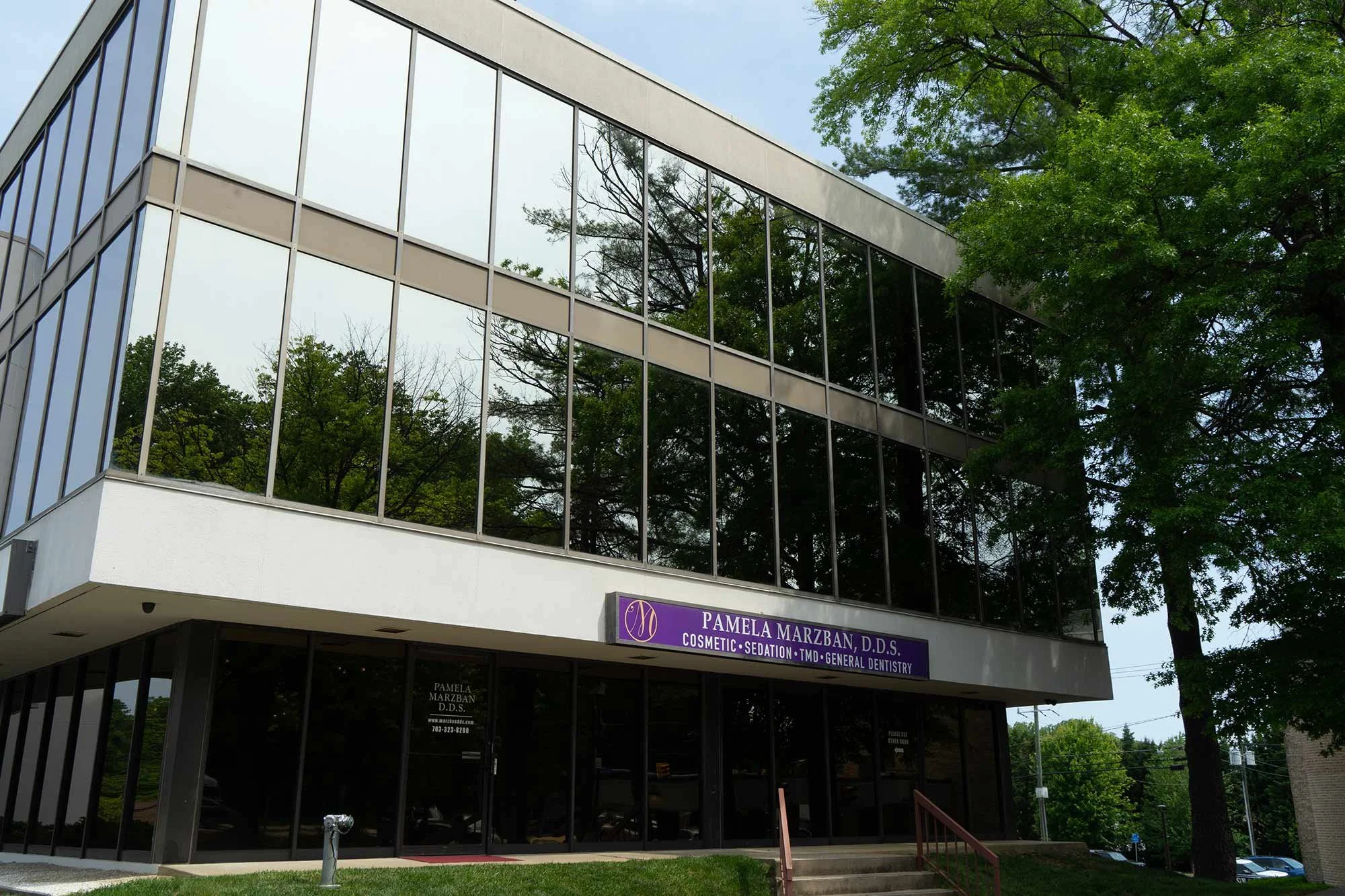
Experience the difference of dentistry designed for beauty, balance, and breath. To learn more about Dr. Pamela Marzban and our comprehensive cosmetic and restorative dentistry in Burke, Virginia, call 703-323-8200 today. We welcome patients from Fairfax, Fairfax Station, and across Northern Virginia seeking a truly holistic approach to oral health.
8996 Burke Lake Road
Suite #101
Burke, Virginia 22015
Existing Patients: 703-323-8200
New Patients: 703-782-4705